Bill Payment Made Easier: A Practical Guide to Managing Monthly Dues
Bill payment is a routine part of managing personal finances, but keeping track of multiple due dates can quickly become difficult. Electricity bills, mobile recharges, broadband plans, credit card dues and other recurring payments may all follow different billing cycles, making it useful to organise them through a clear monthly system.
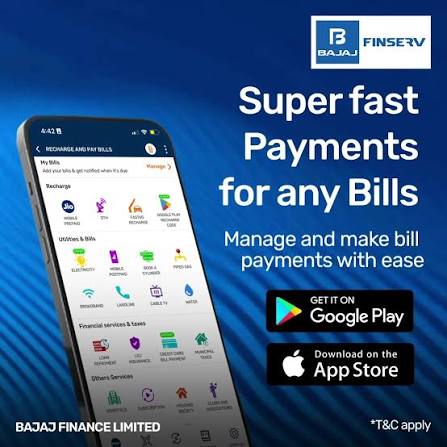
Digital payment platforms have simplified this process by bringing multiple payment categories into one place. Some users may also access broader financial services through a loan app, making it easier to manage payments and other financial requirements through a mobile interface.
Why Timely Bill Payment Matters
Paying bills on time helps avoid unnecessary late fees, service interruptions and last-minute financial pressure. A missed due date may appear minor, but repeated delays can make monthly budgeting harder.
A simple payment routine can make recurring expenses more predictable. When users know how much is due and when, they can plan income and spending more effectively.
Create a Monthly Bill List
The easiest place to start is by listing every recurring payment in one place. This gives a clear view of how much money needs to be reserved each month.
A basic list may include:
- Electricity
- Water
- Mobile recharge or postpaid bill
- Broadband
- Credit card payments
- Insurance premiums
- Rent
- Subscription services
- Loan instalments
Once these expenses are visible together, it becomes easier to identify the most important due dates.
Group Bills by Due Date
Instead of checking every bill individually throughout the month, users can group payments according to when they are due.
For example, bills due in the first week can be handled together, while later payments can be planned separately. This can reduce the chance of overlooking a payment.
Grouping also makes cash-flow planning easier because users know which part of their monthly income needs to remain available.
Use Reminders Before the Due Date
A reminder works best when it appears before the actual due date rather than on the final day.
Setting notifications three to five days earlier can provide enough time to verify the bill amount and complete the payment without rushing. Users can use calendar alerts, app reminders or phone notifications depending on what feels easiest.
The goal is to create a system that requires less memory and more routine.
Review the Bill Before Paying
Fast digital payments can encourage users to confirm transactions without checking the details carefully. It is better to review the bill amount, customer information and payment period before proceeding.
This is particularly useful when the amount is significantly different from the previous month. A sudden increase may be legitimate, but it is worth understanding why before making the payment.
A few seconds of review can prevent avoidable mistakes.
Keep Essential Payments Separate
Some bills have a greater impact if they are delayed. Electricity, rent, loan instalments and insurance-related payments may deserve priority over optional subscriptions.
A practical monthly order can be:
- Essential household bills
- Loan or credit commitments
- Insurance-related payments
- Communication services
- Optional subscriptions
This helps users protect important obligations first when monthly cash flow is tight.
Check Payment Status After Every Transaction
Completing the payment is only one part of the process. Users should confirm that the transaction has been processed successfully.
A payment may occasionally remain pending or fail because of technical or banking issues. Checking the final status can help prevent a user from assuming that a bill has already been settled.
Saving the transaction confirmation can also be useful if a payment needs to be traced later.
Avoid Paying the Same Bill Twice
When more than one family member manages household expenses, duplicate payments can happen. A bill may be paid by one person while another person pays it again without knowing.
Maintaining a shared payment record can reduce this problem. Even a simple note showing the bill name, amount and date paid can help.
Digital transaction history can also be reviewed before making another payment.
Autopay Can Reduce Manual Effort
Automatic payment instructions can be useful for predictable recurring expenses. They can reduce the chance of missing due dates and make routine payments more convenient.
However, users should still monitor the linked bank account and review the bill before the debit date. Autopay does not remove the need to check whether the amount is correct.
It is also important to ensure that sufficient funds are available when the payment is scheduled.
Keep a Buffer for Variable Bills
Not every monthly expense remains the same. Electricity usage, mobile charges and certain other services may change from month to month.
Instead of budgeting only the previous month’s exact amount, users can keep a small buffer for variable bills. This makes it easier to handle an unexpectedly high bill without disturbing other planned expenses.
A buffer can also reduce dependence on last-minute borrowing.
Separate Bill Money From Daily Spending
One practical approach is to reserve expected bill amounts as soon as income is received. This reduces the chance of spending money that will be needed later in the month.
Users can mentally separate the amount or use a different account structure if that makes budgeting easier. The objective is simply to ensure that committed expenses are protected.
This habit can make monthly cash flow more predictable.
Track Bills That Have Increased
A regular bill review can reveal where household costs are rising. A subscription may have become more expensive, or an electricity bill may consistently be above the expected level.
Tracking such changes can help users identify where spending can be adjusted. Small recurring increases can become significant over a full year.
Bill management therefore becomes part of broader budgeting rather than only a payment task.
Watch for Unnecessary Subscriptions
Automatic renewals can cause users to continue paying for services they rarely use. Reviewing subscriptions every few months can help identify avoidable expenses.
Users can ask whether each service is still useful, whether a cheaper plan is available or whether the subscription can be cancelled entirely.
Reducing unnecessary recurring bills can free up money for savings or other priorities.
Keep Payment Records Organised
Payment receipts can be useful when there is a dispute, failed update or service issue. Digital records make storage easier because users do not need to maintain physical receipts for every transaction.
It can help to keep records for important expenses such as:
- Loan repayments
- Insurance premiums
- Utility bills
- Credit card payments
- Large service payments
A clear record makes it easier to verify past transactions when needed.
Be Careful With Payment Links
Users should avoid making bill payments through suspicious links received through unknown messages or emails. Fraudulent links may imitate genuine service providers.
It is safer to use official apps, websites or trusted payment channels. Users should also avoid sharing OTPs, PINs or passwords with anyone claiming to assist with a payment.
Security should remain part of every digital transaction.
Build Bill Payments Into the Monthly Budget
Bill management becomes easier when recurring expenses are planned before discretionary spending. Instead of paying bills only when notifications arrive, users can estimate the full monthly obligation in advance.
A simple budget can separate income into:
- Essential bills
- Debt repayments
- Savings
- Variable household expenses
- Discretionary spending
This structure gives bill payment a defined place within the overall financial plan.
Review Your Payment Routine Every Few Months
The number and type of bills can change over time. A new subscription may be added, a loan may be completed or a service provider may change the billing date.
Reviewing the payment system periodically helps keep it accurate. Old reminders can be removed and new obligations can be added.
A routine that stays updated is easier to follow consistently.
Conclusion
Bill payment becomes easier when recurring expenses are organised, due dates are tracked and important payments are prioritised. Digital tools can simplify transactions, but users still benefit from reviewing amounts, monitoring payment status and maintaining enough funds for upcoming obligations.
For users who may also need access to short-term borrowing options, an instant loan app can provide another digital financial service to explore, subject to eligibility, applicable terms and repayment capacity. The stronger approach is to keep borrowing separate from routine bill management wherever possible and use a clear monthly budget to avoid unnecessary financial pressure.